
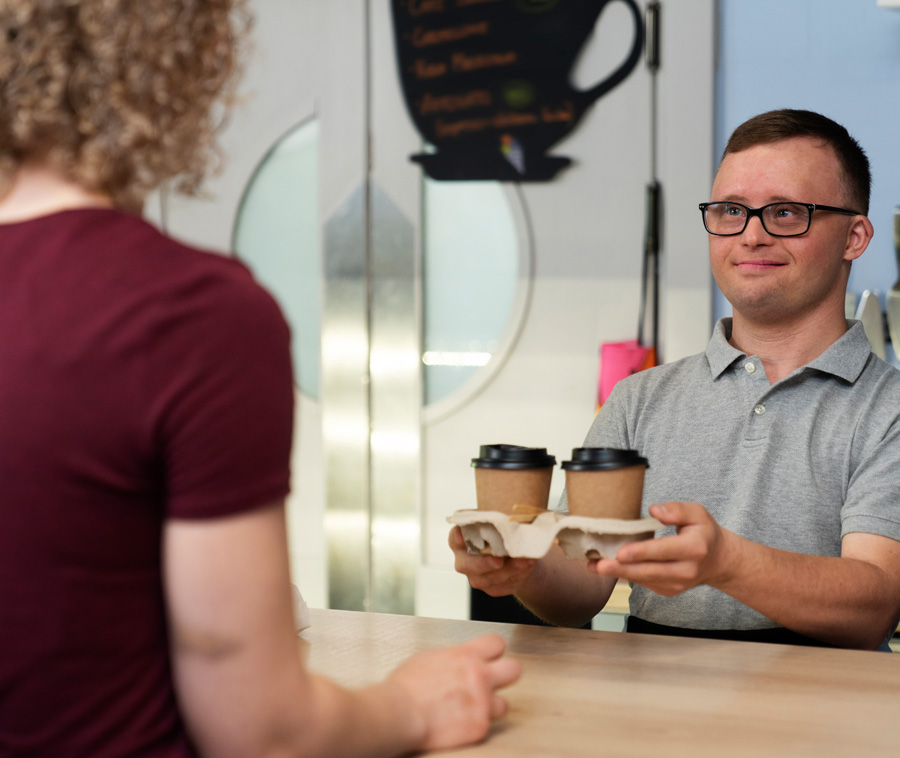
Embracing Neurodiversity: Insight into ASD, ADHD, PDA, and Down Syndrome
Learning disabilities present a spectrum of challenges and strengths, forming part of the rich tapestry of human neurodiversity. From Autism Spectrum Disorder (ASD) to Down syndrome, each condition shapes life in unique ways.
Autism Spectrum Disorder: A Unique Perspective
Individuals with ASD often experience the world in a distinct manner, with variations in communication, social interaction, and information processing. Autism isn’t a disease to cure; it’s a life-long difference. People with ASD might excel in certain areas while requiring support in others. The NHS offers comprehensive insights into ASD, emphasising that autistic people can lead full and enriching lives with appropriate support.
Attention Deficit Hyperactivity Disorder: Dynamic Minds in Motion
ADHD brings about a mix of attentional differences, impulsiveness, and sometimes hyperactivity. It might pose challenges with concentration, yet it also injects extraordinary energy and creativity. Support strategies typically include a combination of behavioural tactics, educational assistance, and possibly medication to help manage its features.
Pathological Demand Avoidance: Strategies for Autonomy
Associated with ASD, PDA involves a significant avoidance of everyday demands due to an anxiety-driven need for autonomy. Individuals with PDA often exhibit a keen social understanding and might use complex strategies to avoid everyday demands. Effective support for PDA requires flexible approaches and thoughtful communication.
Down Syndrome: Recognising Diverse Capacities
Down syndrome, a genetic condition resulting from an additional chromosome, is associated with learning disabilities and distinct physical traits. Despite potential health complications, people with Down syndrome lead vibrant, fulfilling lives, contributing to their communities in various ways.
At Sparrow Healthcare, we embrace the diversity of those with learning disabilities. Our team actively supports each individual, drawing out their strengths and providing assistance with life’s hurdles. We advocate for inclusive spaces where everyone can succeed and celebrate their uniqueness.
For further information on these conditions and support strategies, refer to the following resources:

